
Blog: Should you feed oil to your horse?
Oil. It’s one of the most debated topics in equine nutrition, with opinions as varied as the oils themselves. Are you feeding the right one? Are you overpaying for minimal benefits? The truth is, not all oils are created equal, and marketing buzz often overshadows nutritional science. In this article, we’ll cut through the noise to uncover why you’d feed oil, how it truly benefits your horse, and which options deliver real results without breaking the bank.
Why Feed Oil to Horses?
1. Low GI Energy Source
Oil is a highly efficient, slow-release energy source for horses. It has a low glycaemic index (GI), making it an excellent choice for horses prone to laminitis or equine metabolic syndrome (EMS). In many cases, oil supplementation can reduce or even eliminate the need for cereal grains in a horse’s diet, lowering the risk of metabolic disorders.
Additionally, the breakdown of oil for energy generates less heat compared to protein or grain metabolism, making it ideal for horses that are prone to overheating, such as endurance horses or those in hot climates.
2. Skin, Coat, and Hoof Health

Oils contain essential fatty acids (EFAs) that are critical for cell membrane integrity. Healthier cell membranes retain moisture more effectively, resulting in improved skin, coat, and hoof quality. These fatty acids, particularly Omega-3 and Omega-6, play crucial roles in maintaining overall skin health and resilience.
Understanding Omega Fatty Acids
There are three key types of omega fatty acids:
- Omega-3 (ALA, EPA, DHA)
- Omega-6 (LA, ARA)
- Omega-9 (Oleic Acid)
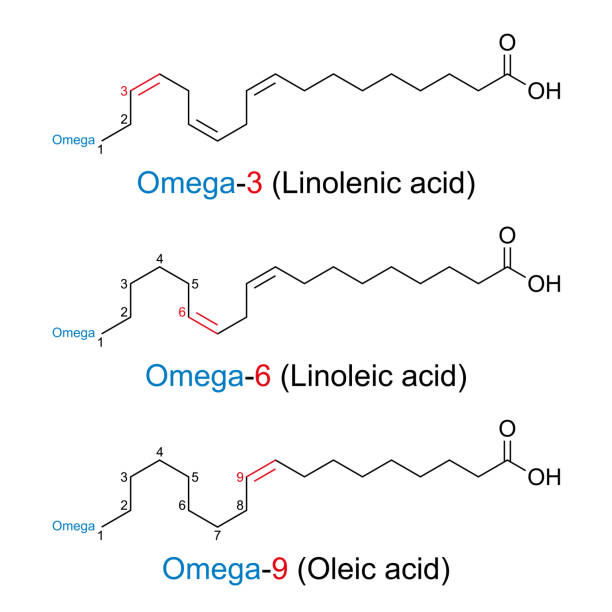
Omega-9 can be produced by the horse’s body and is generally not a focus in supplementation.
The Role of Omega-6 Fatty Acids
Omega-6 fatty acids, specifically arachidonic acid (ARA), are precursors to inflammatory mediators. While inflammation often gets a bad reputation, it’s a crucial part of the body’s healing process. The goal is not to eliminate Omega-6 entirely but to maintain a balanced ratio with Omega-3.
The Real Star: Omega-3 Fatty Acids
Omega-3 fatty acids, specifically EPA (Eicosapentaenoic Acid) and DHA (Docosahexaenoic Acid), are the most beneficial for horses.
- DHA is vital for brain and eye health.
- EPA is renowned for its anti-inflammatory properties.
However, there’s a common misconception: ALA (Alpha-linolenic Acid), another Omega-3, is often considered equivalent to EPA and DHA. Horses can convert ALA into EPA and DHA, but the conversion rate is incredibly inefficient—as low as 1%.
In nature, horses consumed large quantities of grass high in ALA. Despite the poor conversion rate, the sheer volume of grass consumed meant they still obtained sufficient EPA and DHA. Modern horses, however, have far more restricted access to fresh grass, making supplementation essential.
Scientific Evidence for EPA and DHA Supplementation
Research shows that horses require between 1.5–3 g of DHA per day to see measurable health benefits, particularly in cases of inflammatory conditions like recurrent airway obstruction (RAO) and inflammatory airway disease (IAD). This dosage significantly improves clinical signs, reduces inflammatory markers, and enhances overall respiratory health.
Now, let’s compare this requirement to commonly fed oils:
- Fish Oil: Rich in both DHA and EPA, fish oil provides concentrated amounts, requiring only 30–60 ml per day to meet the necessary DHA levels.
- Linseed Oil: While high in ALA, its conversion rate to DHA is incredibly inefficient (as low as 10%). To achieve the same DHA levels as fish oil, a horse would still need to consume upwards of 1–2 litres per day of linseed oil—an impractical and costly approach.
This comparison highlights the significant advantage of using marine-based oils over plant-based oils like linseed when targeting EPA and DHA supplementation. It’s not just about adding oil to the diet; it’s about choosing the right one to deliver meaningful results.
A study published in the Journal of Veterinary Internal Medicine found significant benefits from supplementing Omega-3 fatty acids, specifically DHA, in horses with recurrent airway obstruction (RAO) and inflammatory airway disease (IAD). Horses supplemented with DHA showed:
- A 60% improvement in cough scores
- A 48% reduction in respiratory effort
- A significant decrease in airway neutrophils
These findings demonstrate the clinical efficacy of direct DHA and EPA supplementation, not relying on inefficient ALA conversion.
Choosing the Right Oil for Your Horse
1. Linseed Oil: Popular but Inefficient
Linseed oil (flaxseed oil) is widely marketed and often comes with a premium price tag. While it is high in ALA, it lacks direct EPA and DHA. Moreover, linseed oil oxidises quickly, becoming rancid and losing its nutritional value.
2. Fish Oil: The Superior Choice
Fish oil is the gold standard for Omega-3 supplementation because it contains direct sources of EPA and DHA. It is highly concentrated, so only small amounts are required to meet nutritional needs, making it ideal for horses prone to weight gain or laminitis.
3. Canola Oil: Affordable and Effective
Canola oil is a cost-effective choice with a relatively balanced Omega-3 to Omega-6 ratio. While it doesn’t provide EPA or DHA, it serves as an excellent calorie source.
4. Rice Bran Oil: Added Benefits but Poor Ratios
Rice bran oil contains gamma oryzanol, a compound believed to support muscle development and antioxidant function. However, it is very high in Omega-6, making it unsuitable as a sole oil source.
The Best Approach: Oil Combinations
Combining oils can offer the best of all worlds:
- For weight gain: Use Canola oil as the base and add small amounts of fish oil.
- For additional benefits: Add Rice Bran oil but balance it with fish oil.
Oxidation and Vitamin E
One significant drawback of oils, particularly fish oil, is oxidation. Oxidised oils produce free radicals, which can damage tissues and cells. The solution? Vitamin E.
Vitamin E acts as a natural preservative, preventing oxidation. However, it’s important to note that oils containing Vitamin E are not substitutes for standalone Vitamin E supplementation, as the added vitamin is quickly depleted.
Practical Recommendations
For optimal health and cost efficiency:
- Best Oil Combination: Fish oil + Canola oil
- Recommended Product: KER EO.3 oil (or a similar high-quality fish oil product)
- Alternative for Convenience: Human triple-strength fish oil capsules (though less concentrated and less practical)
Final Thoughts
All oils will make a horse look good, but not all oils will make them feel good. Linseed oil is out. Fish oil is in.
Feeding oils isn’t about falling for marketing hype; it’s about using evidence-based nutrition. By focusing on EPA and DHA supplementation and balancing with cost-effective oils like Canola, you can ensure your horse gets the best health benefits without overspending.
When it comes to feeding oils, don’t be an ingredient-ist. Be a nutritionist.
Central Gippsland Equine Veterinary Services
Proudly powered by WordPress
 Central Gippsland Equine Veterinary Services